01
test
Send a sample.
Collect one small sample at home — a couple of minutes, one morning. Post it back in the prepaid box. Aramex picks up from your door.
Maag / kit no. 0418
We can't find the internet
Attempting to reconnect
Something went wrong!
Attempting to reconnect
Maag maps your microbiome: collect a sample at home with our kit, post it back, and our lab sequences it. Then we build your weekly meals around the bacteria your gut needs, as fresh ingredient kits you cook, ready-made meals you heat, or a mix of both. Flora, two daily plant blends, fills the gaps in between with the everyday plant variety your gut thrives on. One subscription covers the kit, the report, and the food. No counting, no guessing.
Your gut is home to trillions of bacteria, and researchers increasingly treat it as something close to a central organ: the place where the food you eat is turned into signals the rest of the body reads. When those bacteria ferment fibre, they make short-chain fatty acids, butyrate chief among them. Butyrate fuels the cells lining your gut and supports the barrier that keeps things where they belong.
Most butyrate is made in your gut, not found in food. That is why feeding the bacteria beats buying a supplement.
A wider range of microbes, and a better balance between them, is linked to steadier energy, lower inflammation, and a gut that copes with more. Emerging research connects it to immunity, mood and long-term health too, though this is a young field and much of it is still association, not proof. None of this replaces a doctor: blood in your stool, pain, or a lasting change in bowel habits should always be checked by a healthcare professional.
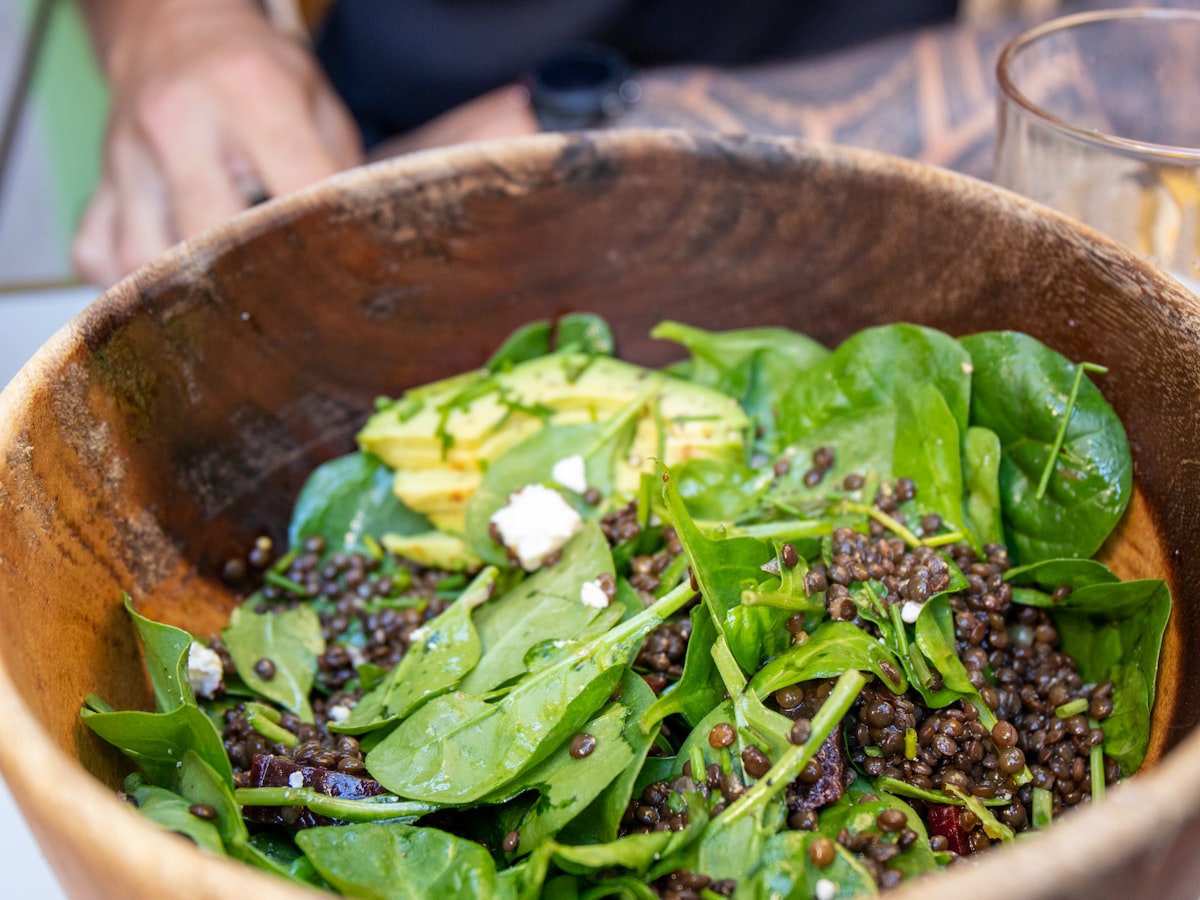
Feed the same lentil bowl to two people and their guts do different things with it. One ferments the fibre into butyrate, the fuel the gut lining runs on. The other barely responds. Generic healthy-eating plans are written for an average gut that nobody actually has.
So we read yours first, then cook for it. What that earns you is unglamorous and real: steadier digestion, steadier energy, a gut that copes with more. Food, doing the work it's meant to.
You don't need a clinician, a fast, or a Whatsapp group with strangers. Post a sample, read your report, eat the food that arrives.
Collect one small sample at home — a couple of minutes, one morning. Post it back in the prepaid box. Aramex picks up from your door.
The lab sequences your microbiome. You get a plain-English report on diversity, key species, what to feed them, and which foods to cut back.
A weekly box of fresh ingredients and recipes, chosen for your gut, not a generic plan. Pause or skip anytime.
You re-test. A follow-up kit shows what's grown and what's still short, and your meals adjust with it. Your gut isn't a verdict, it's a garden.
We don't return a hundred-page PDF you'll never open. Six measurements, plotted against a healthy range, with one or two foods named per finding.
The meals feed what your report found. Flora covers the other half of the science: the largest gut studies keep landing on the same number — people who eat thirty or more different plants a week carry measurably more diverse microbiomes than people who eat ten.
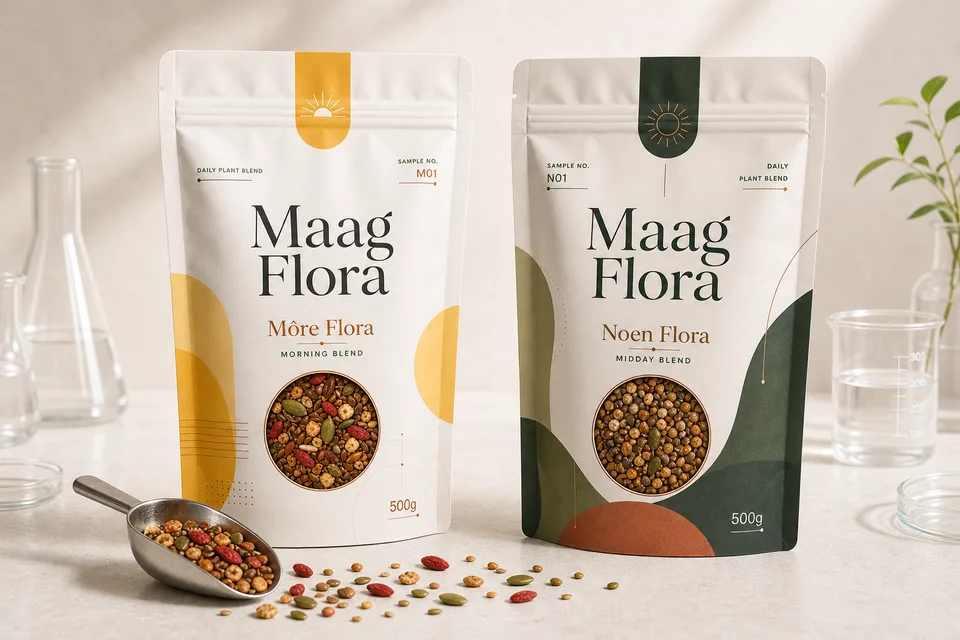
Maag Flora comes as two daily blends, built from South African indigenous and locally sourced plants. Môre (morning) is fruit and fibre — rooibos, baobab and seeds, bright in porridge, yoghurt or a smoothie. Noen (midday) is ferments and fungi — sorghum, morogo and herbs that sit naturally in savoury cooking. Twenty-plus plants each; take both and you pass the thirty-a-week mark every single day. No test required; this one is for every gut. The personalisation lives in the meals.
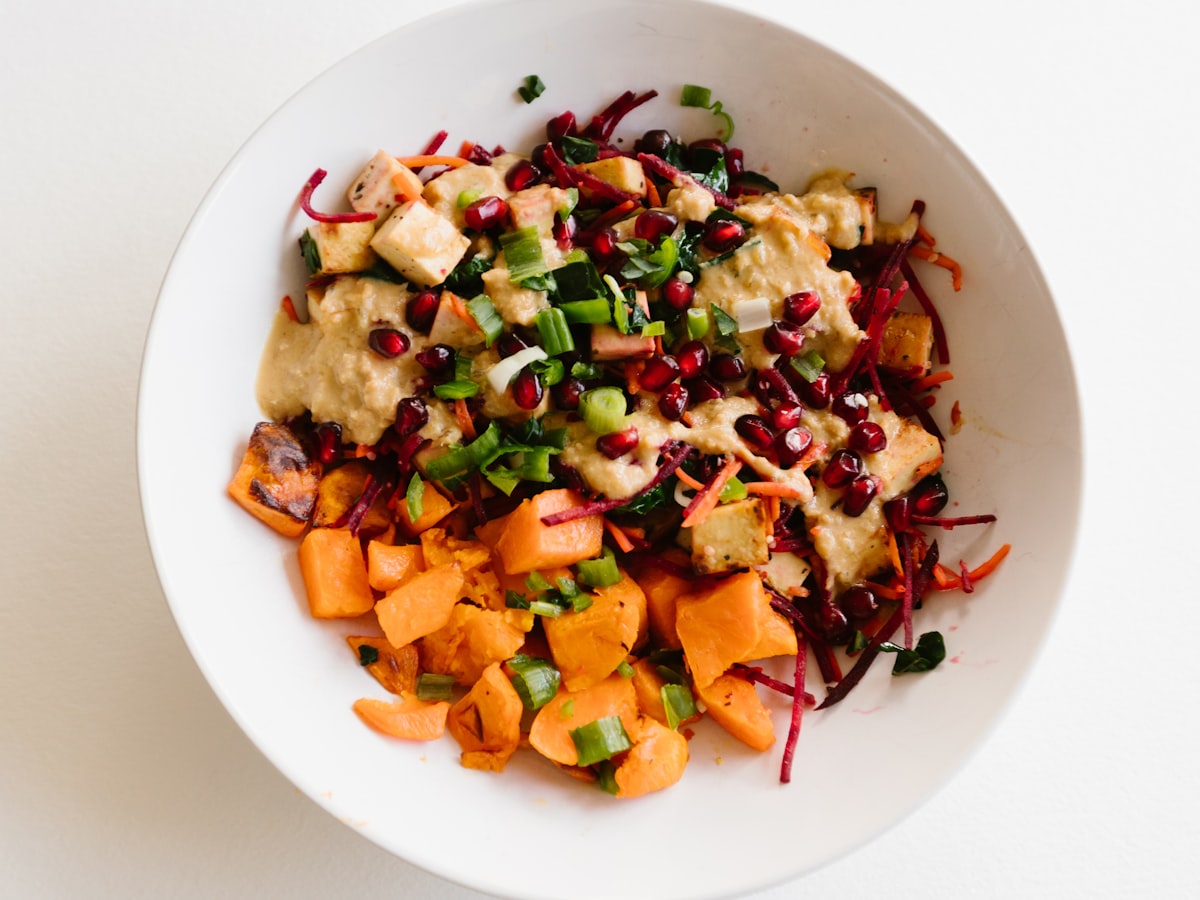
A growing library of recipes tailored to different gut requirements — made by our team and contributed by Maag members.
Recipes from the Maag kitchen alongside contributions from members, each written around the gut targets that matter to you.
Every contributed recipe is automatically analysed, linked to our gut data, and enriched with nutritional and seasonal information.
The meal planner helps you plan your week to maximise plant variety — aiming for over 30 different plants a week, the kind of diversity a healthy gut thrives on.
Drop your email to claim your place in line. Kits go out in the order people join, so sign up now to be among the first to test when we launch. We'll keep you posted on how it works and what we're learning from the lab. See previous articles.
No black box. The sequencing is done at an accredited lab in Cape Town using shotgun metagenomics, the same method used in clinical research, not the cheaper 16S kits that read genus only.
If yours isn't here, write to hello@maag.co.za . A real person replies, usually the same day.
First kits ship to the founding cohort in the coming months, in the order people joined the waitlist. Join now and you'll hear it here first, plus how it works and what we're learning along the way.
Your gut microbiome is where fibre becomes fuel. When these bacteria ferment the fibre you eat, they make short-chain fatty acids like butyrate that feed your gut lining and support the barrier around it. A more diverse microbiome is linked to steadier blood sugar, lower inflammation and better digestion, with emerging research pointing to immunity, mood and healthy ageing. The lever is mostly food, plant variety and fibre, rather than supplements. It is not a substitute for medical care: see a doctor for symptoms like blood in your stool, pain, or a lasting change in bowel habits.
A clinic stool test looks for pathogens: parasites, C. difficile, blood. Maag does not. We sequence the bacteria that should be there and report on balance. They answer different questions; both have a place.
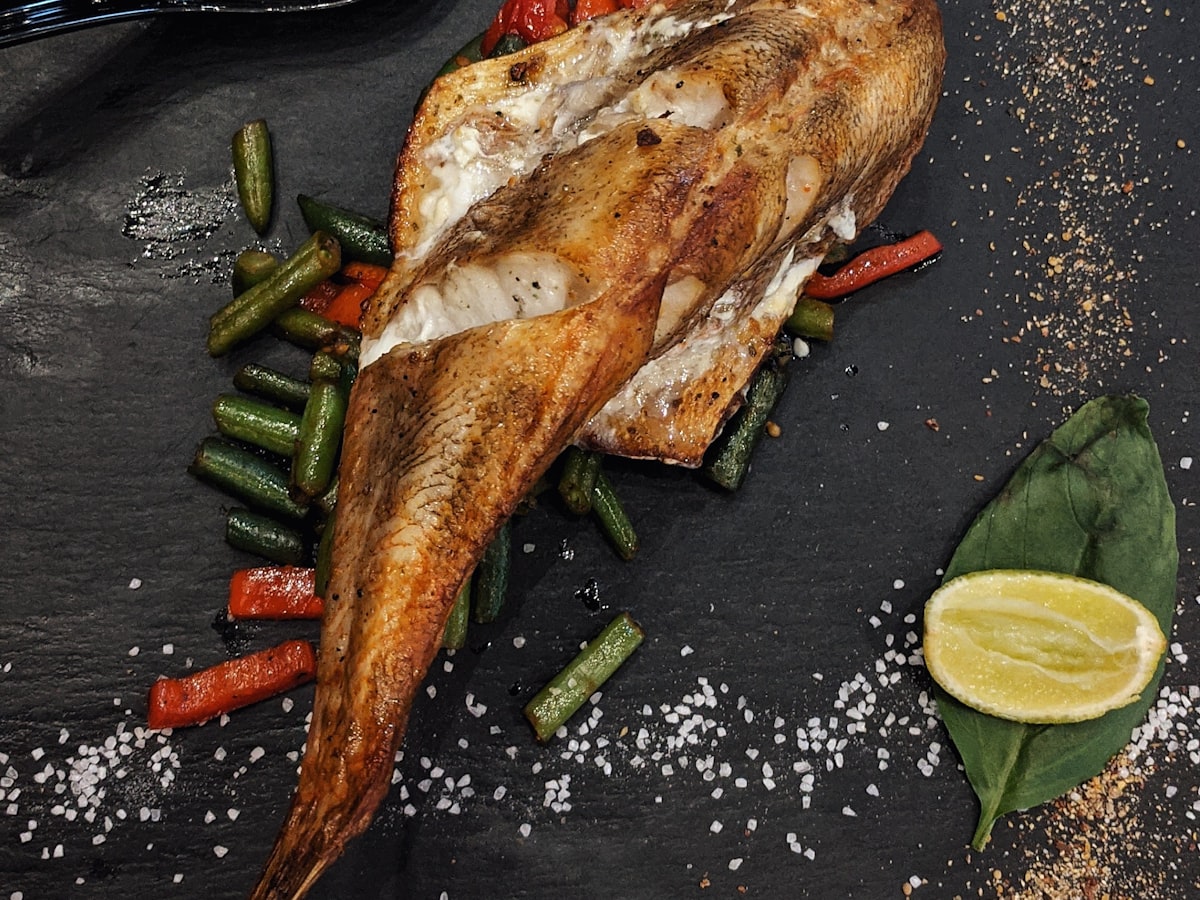
The food is dinner, two ways: ingredient kits you cook yourself, and ready-made meals we cook and freeze. Both are designed by a registered SA dietitian to the same gut targets. We can build vegetarian, pescatarian or halaal boxes. Strict allergens (gluten, dairy, nuts) we cannot fully isolate yet, so see the allergens page.
No. Flora is the plant-diversity baseline every gut benefits from: a fruit-and-fibre Morning blend and a ferments-and-fungi Midday blend, twenty-plus plants each. The test and the meals are where the personalisation happens. Plenty of people will start with Flora and test later.
Many are. The food still gets tuned for diversity and resilience. There is always something to feed.
Yes. Fresh boxes to the four metros, dry pantry boxes via Aramex everywhere else. The kit ships everywhere.